

Wound Care
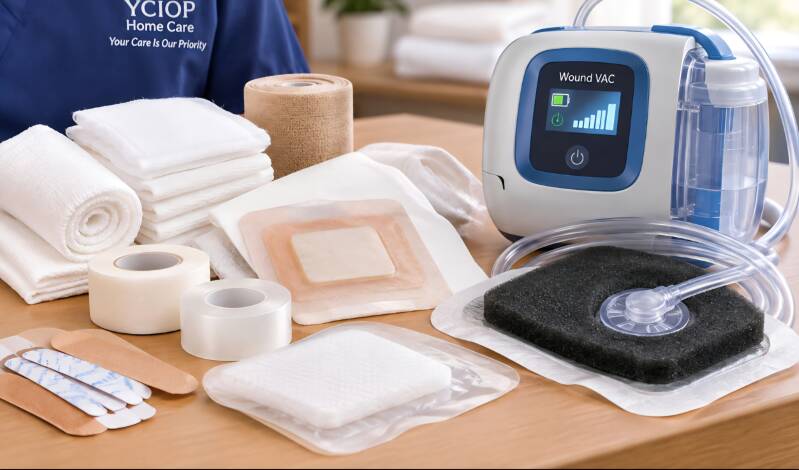
Skilled Wound Care at Home
Wounds can develop for many reasons, including surgery, injury, diabetes, reduced mobility, pressure, or other health conditions. Proper wound care is important for supporting healing, preventing complications, protecting surrounding skin, and helping individuals remain as comfortable and independent as possible.
At YCIOP Home Health, our skilled nursing team provides individualized wound assessment, treatment, monitoring, and education in the comfort of the patient’s home when ordered and appropriate. Our nurses work with the patient, family, physician, and other members of the healthcare team to support a coordinated plan of care.
Our Approach to Wound Care
Wound care is more than changing a dressing. Our approach considers the wound as well as the person and the factors that may affect healing.
Wound Assessment & Monitoring
- Assess the wound and surrounding skin according to the plan of care.
- Monitor progress and changes over time.
- Identify concerns that may require communication with the physician or other healthcare providers.
- Document wound care and response to treatment.
Dressing & Treatment Management
- Provide wound treatments and dressing changes as ordered.
- Use appropriate wound-care supplies and techniques based on the individualized plan of care.
- Help maintain a clean and protected wound environment.
- Monitor the patient's response to treatment.
Diabetic Wound Care
Diabetes can affect circulation, sensation, and the body's ability to heal. YCIOP nurses can provide skilled monitoring and education for patients with diabetic wounds while reinforcing appropriate foot and skin-care practices and communicating concerns to the healthcare team.
Pressure Injury Care
Individuals with limited mobility or prolonged periods of sitting or lying may be at increased risk for pressure injuries. Our skilled nursing approach may include monitoring skin integrity, supporting repositioning and pressure-relief strategies, and providing ordered wound treatments.
Post-Surgical Wound Care
After surgery, some patients need skilled nursing support while a surgical incision or wound heals. Care may include monitoring the surgical site, providing ordered treatments, reinforcing instructions, and communicating changes to the appropriate healthcare provider.
Chronic & Difficult-to-Heal Wounds
Some wounds require ongoing observation and coordinated care because healing may be affected by conditions such as diabetes, vascular problems, limited mobility, nutrition concerns, or other chronic health conditions. YCIOP focuses on consistent monitoring and communication as part of the patient's overall plan of care.
Preventing Wound Complications
Prevention is an important part of wound care. Depending on the patient's needs, our nurses may provide education and support related to:
- Skin inspection and protection
- Repositioning and pressure relief
- Mobility and safe movement
- Nutrition and hydration
- Diabetes management and foot care
- Recognizing changes that should be reported
- Following the prescribed wound-care plan
Family Education & Care Coordination
Healing often involves more than the patient and nurse. We help patients and families understand the wound-care plan and know what to watch for between visits. When concerns or changes arise, YCIOP communicates with the appropriate healthcare professionals to help promote continuity of care.
When Home Health Wound Care May Help
Skilled wound care at home may be appropriate for individuals who need nursing services following hospitalization, surgery, rehabilitation, an injury, or the development of a chronic or diabetic wound.
When to Contact the Nurse
Wounds can change during the healing process. Knowing what to watch for can help patients and families recognize when additional assessment or medical attention may be needed.
Contact the Nurse About Changes Such As:
- Increased redness, warmth, swelling, or tenderness around the wound
- A noticeable change in the wound's appearance or drainage
- New or increasing discomfort
- A wound that appears to be getting larger or is not showing expected improvement
- Changes in the surrounding skin
- A dressing that becomes unexpectedly loose, wet, or soiled
- New concerns about blood sugar or other conditions that may affect healing
- Any change that concerns the patient or family
Signs That May Require Prompt Medical Attention
Some symptoms may indicate a more serious problem and should not be ignored. Seek prompt medical evaluation for significant bleeding, rapidly worsening symptoms, severe pain, fever or chills, confusion, unusual weakness, or other sudden changes in the patient's condition.
Wound Care Is a Team Effort
Successful wound healing may involve the patient, family caregivers, skilled nurses, physicians, therapists, dietitians, and other healthcare professionals. At YCIOP Home Health, we believe consistent communication and coordinated care are important parts of supporting healing and preventing complications.
Our goal is to provide skilled wound care at home that is individualized, attentive, and connected to the patient's overall healthcare needs.